
High-pressure sodium is the orange lamp that grew most of the indoor crops of the last thirty years, and it has not gone away. An HPS bulb runs around 2,100 K, heavy in the red and orange that drives flowering, and it still delivers more usable light per dollar of hardware than almost anything else. In a cold Canadian room its waste heat is not entirely waste either. Canada Grow Supplies stocks HPS bulbs and fixtures from EYE Hortilux, Philips, Ushio, Sylvania, Iluminar, PowerSun, Agrosun, FloraSun, Phantom and Hydrofarm. Orders of $149 or more of eligible items ship free within Canada.
Single-ended or double-ended?
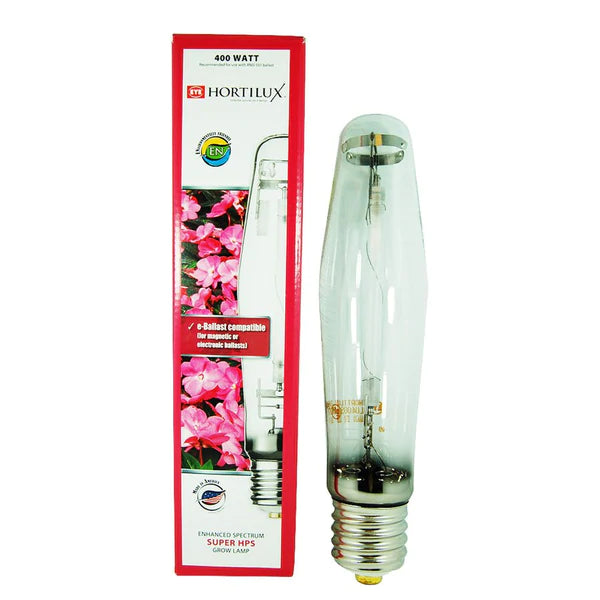
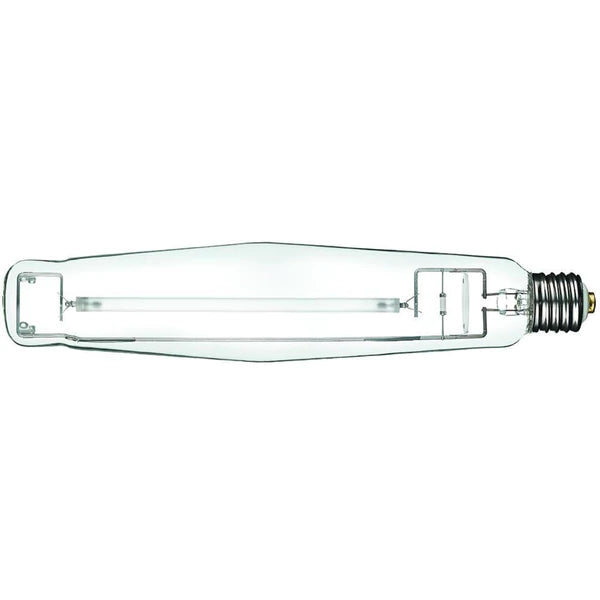
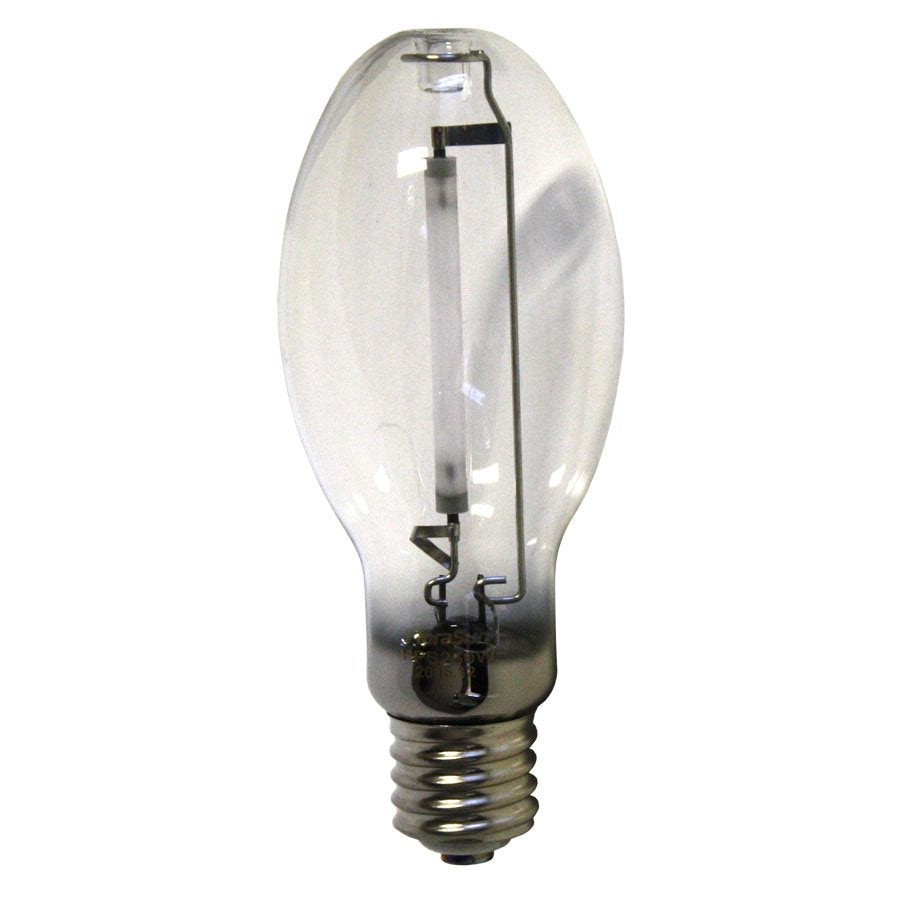
Single-ended (SE) bulbs screw into a standard mogul socket and run on either magnetic or digital ballasts. They are the forgiving option: cheaper, widely compatible, and fine in an open reflector. Our 150 W, 250 W and 400 W lamps are of this type, including the EYE Hortilux Super HPS 400W, the Philips Alto Ceramalux 250W and the Sylvania Lumalux Ecologic range.
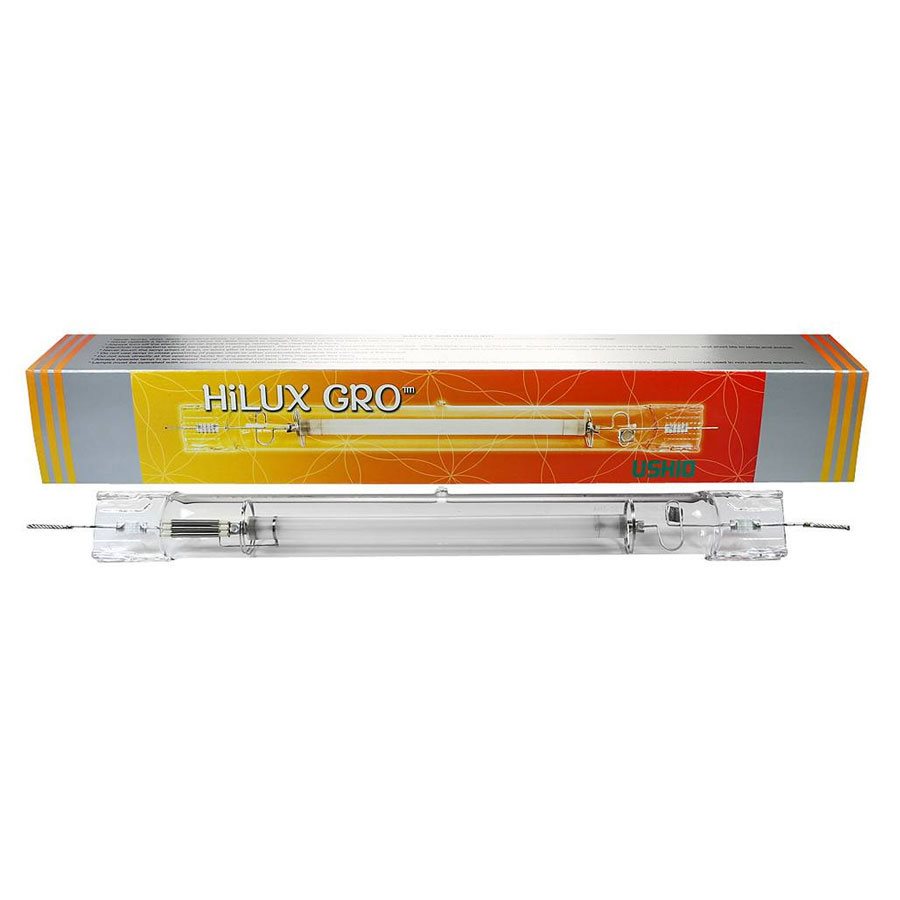
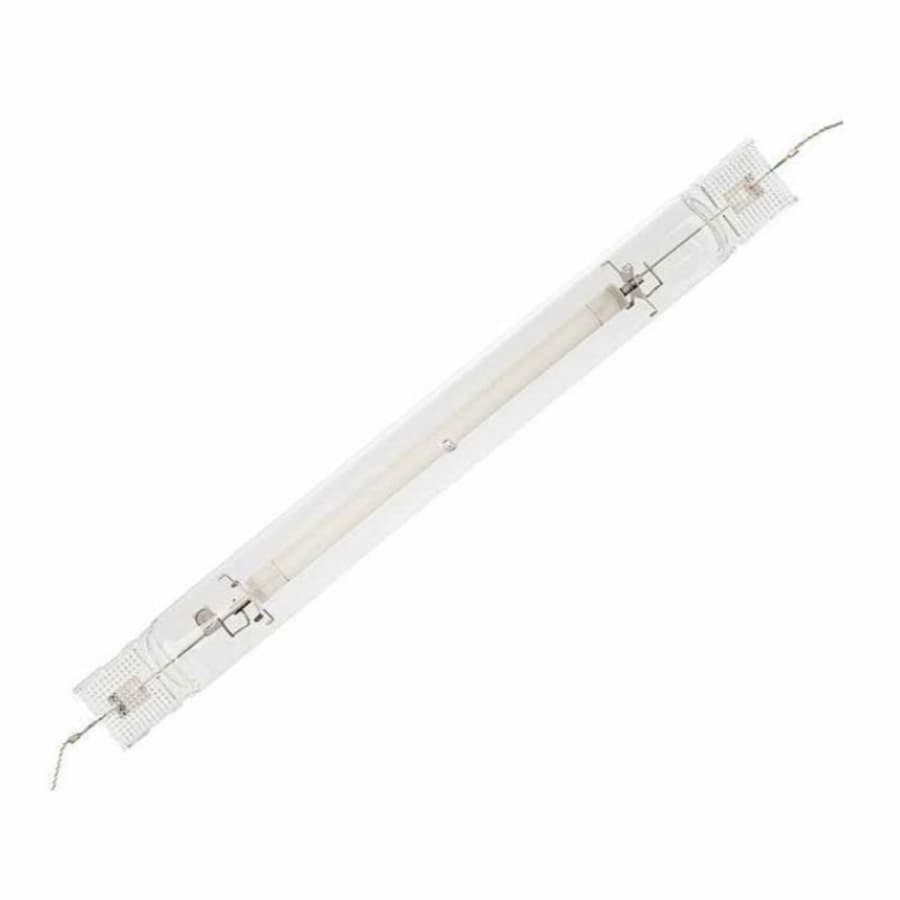
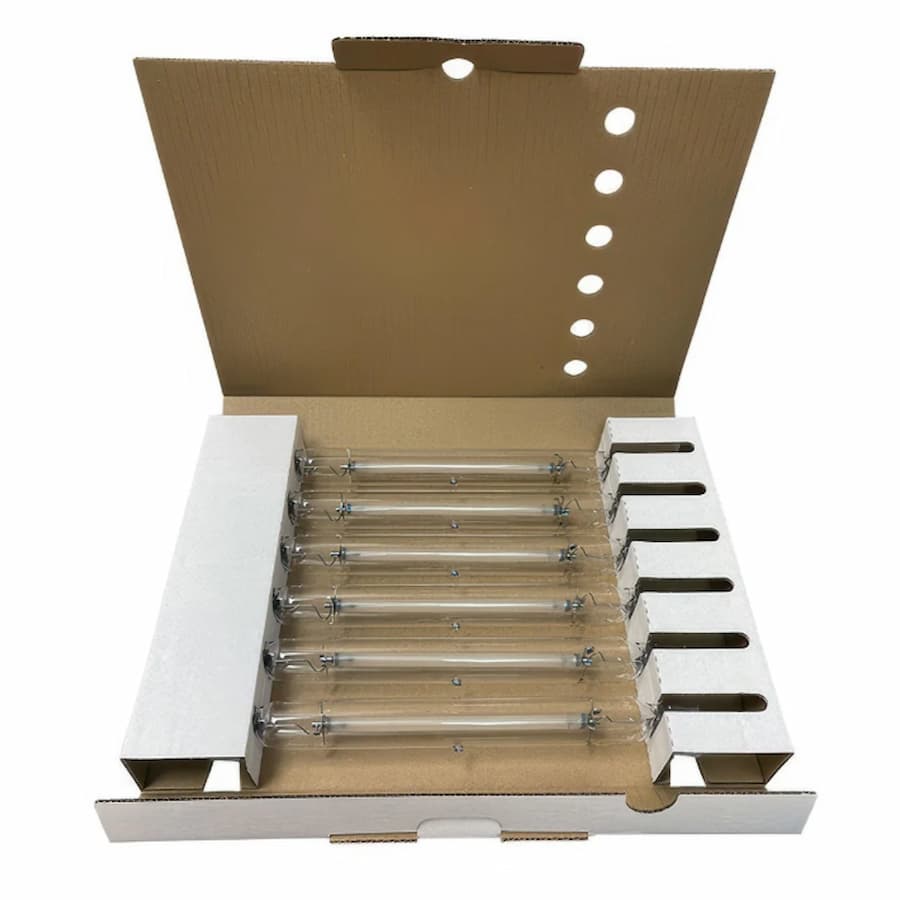
Double-ended (DE) bulbs are the 1000 W commercial standard: a thinner quartz tube held at both ends, which runs hotter, holds its output better over its life and produces noticeably more usable light than an SE lamp of the same wattage. The trade-off is that a DE lamp needs a DE fixture and a digital ballast, emits more UV, and should be run behind the fixture's glass. Our DE lamps include the Ushio ProPlus 1000W, the Philips Horti Master GreenPower Xtra, the Iluminar DE 1000W and the Agrosun 1000W at 2,100 K.
What wattage for what space?
- 150 W to 250 W - a 2x2 or 2x3 area, a propagation bench, or supplemental light in a greenhouse.
- 400 W - roughly a 3x3 footprint.
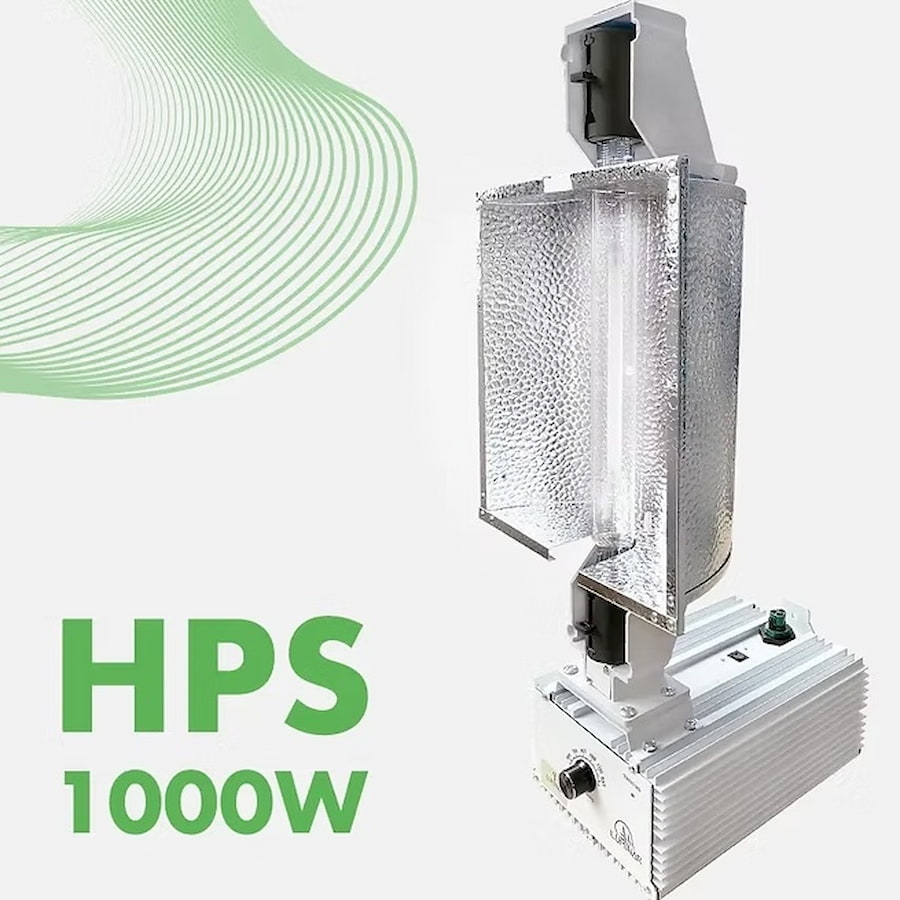
- 1000 W DE - a 4x4 to 5x5 flowering footprint, and what most commercial rooms are built around.
Heat is the limit before light is. A 1000 W lamp in a small tent will cook it without serious extraction, which is why plenty of growers in small spaces run 400 W and a good fan rather than more watts.
How often should an HPS bulb be replaced?
Not when it dies. An HPS lamp will keep lighting long after it has stopped being worth running: output falls away gradually and the spectrum shifts, so the plants get less while the meter reads the same. The usual guidance is to replace single-ended lamps after about a year of flowering use, and double-ended lamps on a similar schedule in commercial rooms where yield per cycle is being measured. If you have never changed a bulb and your yields have drifted down over several cycles, that is the first thing to check.
HPS or LED?
LED wins on electricity and on heat: for the same light at the canopy an LED fixture draws materially less power and puts out far less heat, which in summer saves you cooling as well. HPS wins on up-front cost, on simplicity, and in cold rooms where the heat is doing a job. Plenty of growers run both, using HPS in flower and LED in veg. If you are weighing it up, see our LED grow lights.
Ballasts, fixtures and complete kits
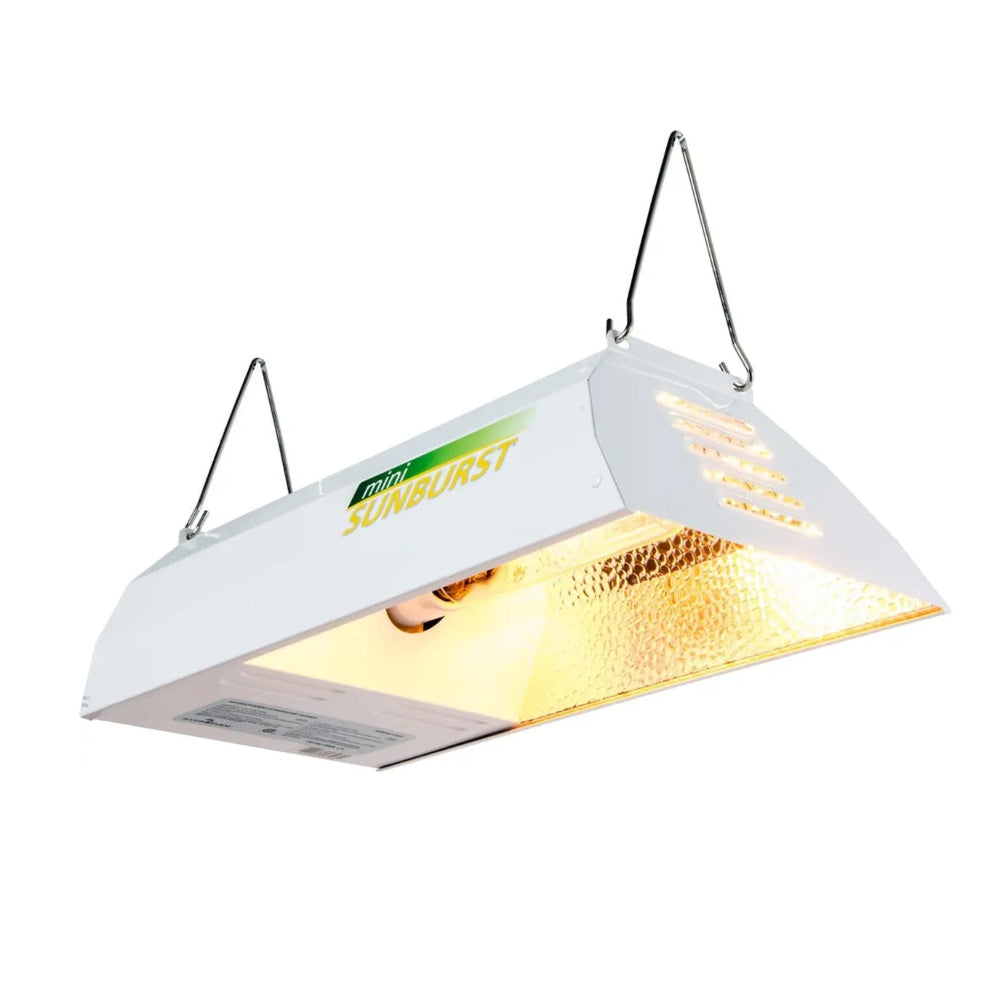
A bulb needs a ballast and a reflector to work. If you are starting from nothing, the PowerSun complete kits at 150 W and 250 W and the Hydrofarm Jump Start Mini Sunburst arrive with the lamp included. For commercial rooms the PowerSun DE 1000W is available in 120/240V and in 347V for three-phase Canadian services, and Phantom DE 1000W systems cover 120V, 240V, 277V and 347V.
One metal halide lamp in here
The FloraSun MH 1000W is a metal halide bulb rather than HPS. Metal halide runs blue-heavy and suits vegetative growth, where HPS suits flowering. It sits in this collection because it fits the same class of fixture.
Shipping across Canada
Orders of $149 or more of eligible items ship free within Canada; oversized items and remote destinations carry a handling fee, and every order goes out in discreet packaging with no labels on the box. Not sure whether your fixture takes SE or DE? Call us at 888-349-0321.